Vigil is a poetry collection shaped by northern Michigan, memory, sorrow, humor, longing, and the natural world. It is also a book about survival. Not survival in the shiny, triumphant sense, but the real kind. The kind that asks how we keep going after loss, how we live with what has marked us, and how language can sometimes carry what ordinary speech cannot.
I write as a confessional poet, though I try to do that with care. I want the work to be emotionally honest without becoming careless with other people’s lives. That balance matters to me. Names may change. Situations may blur a little. But the emotional truth has to remain intact.
Vigil, which was selected as a UP Notable Book, gathers poems that move through grief, devotion, family history, the body, healing, and the pull of place. Many of them come out of northern and Upper Michigan landscapes, where river, shoreline, swamp air, snowfall, pines, dusk, and birds are never just scenery. They are witnesses. Sometimes they are companions. Sometimes they hold the silence while we try to say the hardest thing.
The Story Behind the Cover of Vigil
The cover matters to this book because it carries family history right on its face. The photograph is of my brother Guss, a Vietnam veteran. He served two tours in Vietnam and died in 2023. While going through family photos, I found an old ragged image of him hanging on a cross and smoking a joint. It was irreverent, funny, provocative, and completely him.
That image also captured something larger than one outrageous family moment. It spoke to the irreverence of many Vietnam veterans and to the way that generation came home to misunderstanding, neglect, and damage that did not end when the war ended.
The book is dedicated to Guss and to another brother, Byron, who died from a head injury. So, the cover is not there for shock value. It is there because it belongs to the emotional world of the collection. A graphic artist and friend, Karen Walker, restored the original photo, and the final design gave it the haunting, stark setting it needed.
Some people are startled by the image. That is understandable. But the intention is not sacrilege. It is love, memory, rough humor, and the complicated dignity of a life fully lived and painfully carried.

What Kind of Poetry Is in This Book?
One of the formal threads running through Vigil is the haibun, a Japanese-inspired form that combines prose poetry with haiku. In some poems, the haiku appears at the end. In others, it is braided into the body of the piece.
That form fits me because it allows narrative and compression to live together. I can tell a little story, create an emotional field, and then let the haiku distill it into something sharper and quieter.
I also write:
- Free verse, which is where I live most comfortably
- Short poems, because I am drawn to compression
- Occasional formal pieces, including sonnets and other inherited forms
- Protest poems, especially when the political and personal begin to overlap
- Memoir-inflected poems, where lived experience becomes the material
I rarely want a poem to be long just for the sake of length. If a poem runs two or three pages, it had better earn every inch. Most of my poems begin much longer. I handwrite first drafts, and then I revise them down and down and down until I can hear what they are really trying to say.
Why White Space Matters in Poetry
One of the great differences between prose and poetry is white space. Poets live by it.
Line breaks, stanza breaks, pauses, and open space on the page are not decorative choices. They are part of the poem’s meaning. White space controls breath. It creates tension. It gives silence a role in the poem.
For me, that silence matters deeply. The white space is where the unsaid gathers. It is where grief sits. It is where the reader enters. It is where the poem listens back.
If you have ever stood in front of a painting and felt that the empty areas were as important as the painted ones, poetry works much the same way. The page is not simply filled. It is shaped. The blankness is active.
Beginning With an Invitation: “Sharing Earth”
The first poem in the collection, “Sharing Earth,” opens with a Rainer Maria Rilke epigraph and functions as a welcome into the book’s terrain.
It begins in a liminal hour, just before dawn, in that threshold state where awareness starts to rise. It asks what remains after a dark season and whether that question even matters. Then it offers a hand. Walk with me. Let me tell you what happened. Let me tell you where I failed. Let me tell you what carried me.
That opening matters because it sets the emotional contract of the book. This is not polished distance. It is invitation. It is a willingness to walk into moral lapses, sorrow, river memory, and whatever strange grace may be found there.
Poems of Grief and Family Loss
“Self-Portrait at 23”
One of the rawest poems in the book is “Self-Portrait at 23.” It begins in remembered summer fullness: moonlit beach trees, river song, long evenings, the alive hush of youth. Then the poem turns sharply into hospital space, where the speaker sits in an ICU with a brother on a respirator after the accident that took him away.
That turn from lushness to medical machinery is part of how grief often arrives. It splits life in two. Before the mean season. After it.
The poem does not offer easy consolation. It questions mercy. It names darkness. It lets the body and the senses register what trauma leaves behind. That emotional honesty is central to the collection. Some experiences do not become beautiful just because we write about them. Sometimes poetry has to hold the mold, the piss, the vacant eyes, and the unanswerable ache.
“Vigil”
The title poem, “Vigil,” may be the emotional center of the book. It was once much longer and eventually narrowed into a 14-line American sonnet. That kind of compression can be brutal. It asks the poet to cut away everything but the most essential pulse.
The poem is for Guss. It moves through the moment of knowing a brother is dying and the helplessness of language in the face of that knowledge. What words can be offered to a man who has fought his own demons for so long? What can love do when the body has begun to fail?
The answer, in the poem, is intimate and unspectacular. A face held in both hands. A private language between siblings. A shallow breath into the palm. Outside, snowfall over winter trees and the vast, enduring distance of starlight over the Mekong Delta.
It is a devastating poem, but not a theatrical one. It is quiet. It keeps its dignity. That restraint is part of what gives it power.
Humor, Grit, and Wild Women
For all its melancholy, Vigil is not a solemn book from beginning to end. Humor has always mattered to me, especially the sort that lives right next door to sadness.
One example is “Ankle Bracelet Blues,” a poem with a wink in it. Not a decorative ankle bracelet, mind you. The poem nods toward wild women of the UP, backwoods bars, nerve-ridden men, and a kind of feral female energy that slips through conventional containment.
There is mischief here, but there is also recognition. Many women, especially in rural places, know what it means to carry longing, defiance, appetite, and survival in the same body. Poetry gets to say that plainly, or slant, or with a polecat smile.
The Natural World as Companion and Witness
Nature in these poems is not postcard scenery. It is part of the emotional language. Mourning doves, rivers, lilacs, fireflies, thunderheads, winter trees, starling flocks, swamp air, and agates all do more than set a scene. They become ways of thinking and feeling.
Take “Mushrooms and Agates,” for instance. The poem begins with spring in Michigan, with everyone talking about morels and the mushroom festival underway in Boyne City. But the center of the poem is a Vietnam veteran, artist, and addict who gives the speaker a jar of Lake Superior agates. He cannot seem to find his way back into mainstream society. He says he prefers the solitude of a deserted beach. He sits barefoot, radiating instability, and yet the gift he offers is beautiful.
The poem understands that brokenness and beauty often appear together. A jar of agates becomes not just an object but an exchange of dignity. Hidden treasures in plain sight. A person others may overlook, still capable of giving something luminous. That is one of poetry’s jobs too: to reveal what is hidden in plain sight.
Yearning, Home, and the Devotional Tone of “Yearn”
The last poem read from the collection, “Yearn,” carries a devotional quality. Lilacs insist on scent and bloom. The speaker wants to shine that way too, with all “succulent and sass” alive in her. But the poem also moves through solitude, memory, aging, and the fading spark of what once glowed so easily.
It remembers childhood fireflies in a Mason jar, summer moonlight, falling in love, and that strange adult recognition that home never quite leaves us, even when we spend years trying to get back to it.
If much of my work circles longing and belonging, this poem says so plainly. Where is home? Who are we when we arrive there? Why do we leave it and spend so long trying to return?
Those are not just autobiographical questions. They are soul questions. That is why readers often connect with the work even if they do not usually read poetry.
How I Write: Revision, Form, and Letting the Poem Decide
I handwrite first. That matters. A poem often begins as something sprawling, messy, and overfull. Then revision starts.
I revise heavily. I almost never “receive” a finished poem all at once. In the early days, I imagined that poetry worked that way. You sat down, wrote the poem, and there it was. That has not been my experience at all.
Instead, poems tend to behave more like stubborn darlings. They want to become what they want to become, not always what I first imagined. I may begin in one form and discover that the poem wants another. I may think I am writing one emotional register and find, later, that the true energy lies elsewhere.
When I am blocked, I often write haiku. That small container helps. It gives language a boundary. It forces me to pay attention to precision, image, and breath. Sometimes a haiku loosens the knot and lets larger work begin again.
I also keep multiple poems going at once. If one goes cold, I set it aside. Occasionally I return a year later and discover fresh energy in it. Sometimes I discover it is less than mediocre and throw it away. That is part of the process too.
I write a lot of bad poetry. Most poets do. The trick is to keep going long enough to find the poem that lives underneath the weaker draft.
Poetry as Performance and Overcoming Fear
Reading poetry aloud did not come naturally to me. As a child, I stuttered. That history left me with social anxiety, especially around public speaking. Even though I worked professionally as a behavioral health therapist, led groups, and taught in college settings, reading a poem aloud as myself felt far more exposed.
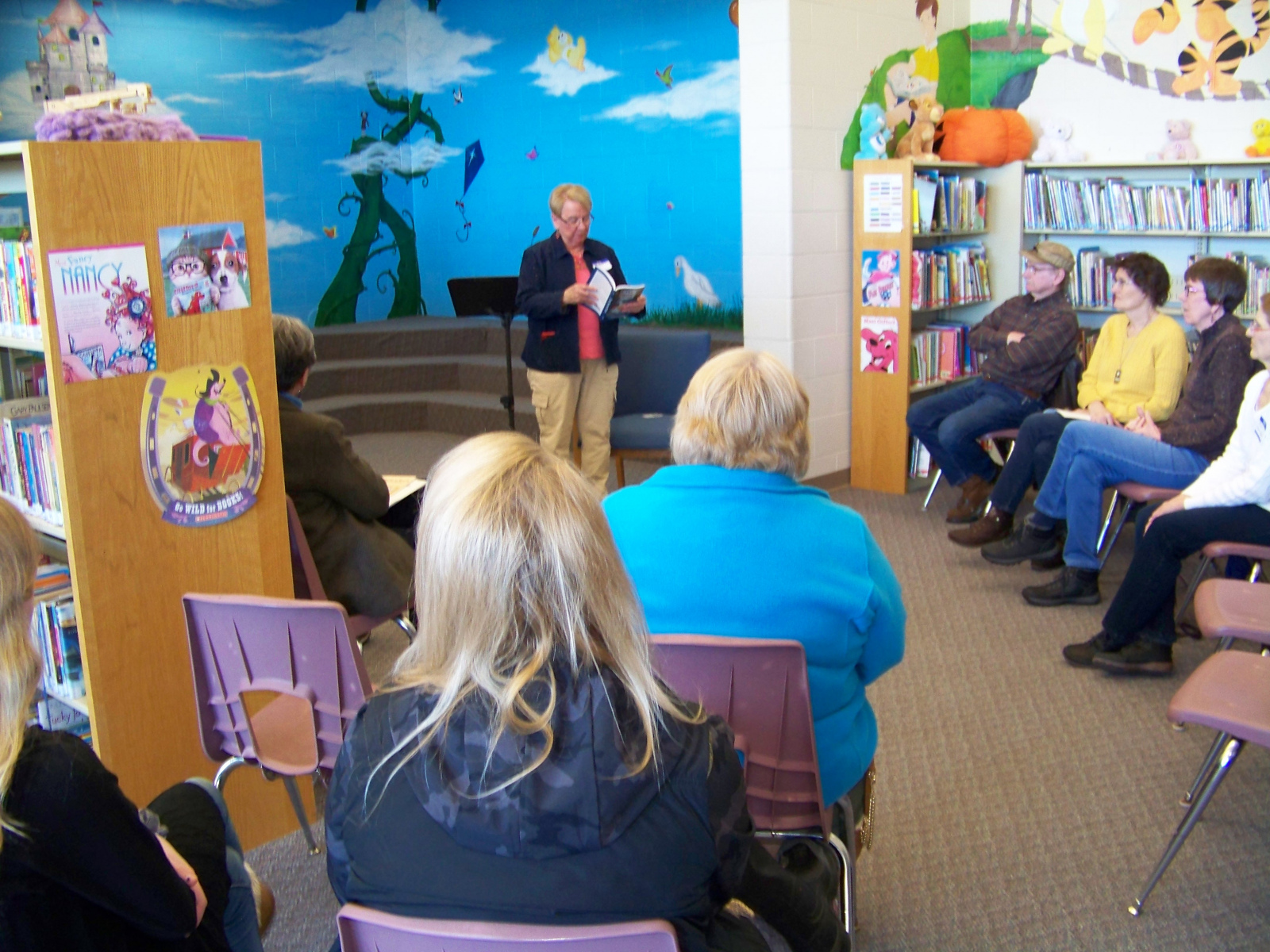
The first time one of my poems was selected to be read publicly, I almost did not do it. I was encouraged, firmly, to get up there anyway, and I did. That moment changed something. It set me on a new path. Now I love sharing poetry aloud. I am interested in the energy of spoken word, in how animation, cadence, and story can bring a poem into fuller presence. A poem on the page is one thing. A poem in the body and voice is another. That development has been one of the gifts my poetry has given me. It turned an old fear into a living practice.
How Poetry Entered My Life in a Bigger Way
I had been writing all my life, but mostly in journals and professional contexts. Clinical work teaches a person to write assessments, observations, and papers. That is useful writing, but it is not the same as claiming an artistic life.
After my husband, Russ, died in 2012, I came undone. I journaled intensely. During that winter, something unexpected happened. Edd, whom I had dated in college decades earlier at the University of Michigan, found me again through Facebook. We began corresponding in haiku all winter long. That exchange helped carry me through grief. It also gave me a new doorway. Edd told me plainly that I was a poet and should be writing poetry. He took me to my first poetry workshop. I started submitting work. A poem was accepted. Then more.
What began as a hobby became a central part of my identity. At this point in my life, that feels like a late-blooming gift, and I am profoundly grateful.
Writing Through Trauma and Using Poetry in Healing
As a trauma survivor and a behavioral health therapist, I have seen closely how art can help people move through experience that is otherwise difficult to process.
Poetry has been one of the ways I process trauma in my own life. It is cathartic, yes, but not in a simplistic “write it once and feel better” sense. The relief often comes from discovering the shape of an experience, from giving it language, from letting it exist outside the body for a while.
I have also used poetry in therapeutic settings, encouraging clients to write or bring poems into the room to facilitate a way to process feelings. Art accesses a different part of the brain. It can bypass defenses. It can create enough distance to bear witness to pain without being swallowed by it. That is part of why I think of poetry as soul work.
What Makes a Poem “Accessible”?
I have a soft spot for the reader who says, “I don’t really like poetry,” and then unexpectedly connects with a poem. That is, in many ways, my ideal reader.
This is not because I want poetry to be simplified into plain speech or stripped of music and mystery, but because I want a poem to reach across to someone who thinks poetry is weird, obscure, or stuffy to suddenly feel, “Oh. I know this. I have lived this feeling.”
Accessibility, to me, is making emotional contact. It is allowing a poem to remain crafted and artful while still giving a reader a place to enter.
From Individual Poems to a Poetry Collection
A book of poems does not simply appear because you have enough pages.
At first, I was just trying to get one poem accepted somewhere. Then a few more found homes. Over time, other poets in my group began to say, “You’re putting together some strong work. Have you thought about a chapbook?”That was the start of thinking in terms of a collection.
Arranging poems into a book is its own kind of creative labor. I am very hands-on. I spread poems across a table and ask where they want to be. Which poems speak to each other? Which belong in the same section? What emotional current should lead into the next piece?
The order matters. Flow matters. A collection should feel shaped, not merely assembled.
Vigil is divided into four sections, and that architecture helps guide the reader through the emotional movement of the book.
Rejection, Submission, and Learning Where Your Work Belongs
Yes, I have received plenty of rejections.
In the beginning, rejections hurt terribly. They still sting sometimes. But over time, you learn that this is part of writing. Even beloved poets were rejected regularly, especially early on. That reality helps put things in perspective.
What matters is learning where your work belongs. Read the journals, anthologies, and publications you submit to. Understand what they publish. Know whether your work fits their aesthetic and mission.
And while all rejections are not fun, kind rejections are appreciated. I save the kind ones.
Ekphrastic Poetry and Writing with Other Art Forms
Another area that has become meaningful to me is ekphrastic poetry, poetry written in response to another work of art. That art may be a painting, sculpture, photograph, or something else visual.
I have participated in exhibits where the artwork hangs on the wall and the poem appears beside it. There is something powerful about that pairing. The eye takes in one thing while the language opens another. Neither replaces the other. They collaborate across form.
That exchange deepens my interest in how art speaks between mediums. Image can provoke language. Language can alter how we see image. Both can intensify each other.
What I Mean by Protest Poetry
Lately, protest poems have been surfacing in my work. When I think of protest poetry, I think of the tradition of songs and poems that speak against violence, injustice, political betrayal, and collective suffering. Bob Dylan comes to mind immediately. The songs of the 1960s and 1970s carry this energy strongly, and I am a child of that era.
Protest poetry is not only slogan or rant, though anger can absolutely fuel it. It is also witness. It says: pay attention. This is happening. Innocent people are suffering. Things are not right. We must not become numb.
Two poems from Vigil gesture in that direction even though they may also be read as inward poems of despair.
“Burn”
“Burn” can be read personally or globally. It stands under a mean sun, asking for reprieve, a downpour, a break from relentless burning. That can describe private sorrow. It can also describe our public moment and the exhaustion of living amid continual crisis.
“War Zone”
“War Zone” begins in frustration and fatigue. No one listens. Suffering feels stale, ironic, endless. The speaker wonders how to live with uncertainty and disintegration, then abruptly swerves toward dance, intimacy, and the flock of starlings swallowing the sky.
That turn matters. Even in poems of protest, beauty still enters. Not to erase pain, but to remind us what is at stake.
Why So Much of the Work Returns to Longing and Belonging
If there is a recurring emotional engine in my poetry, it is this: longing and belonging.
Where are we going? Who is going with us? How do we live with loss? What is home? Why do we leave what nourishes us? Why do we spend so much of life trying to return to something we cannot fully name?
Those questions run through grief poems, nature poems, family poems, and protest poems alike. They are the connective tissue.
I think many of us feel lost, even when our lives look orderly from the outside. Poetry can sit inside that lostness without rushing to solve it. It can make a small lantern of language and hold it up long enough for someone else to say, yes, that too.
Teaching Poetry without an MFA
I have found myself teaching poetry workshops, including sessions on confessional poetry, despite having no formal MFA training. In that sense, I consider myself an outsider artist.
There is freedom in that. Formal education can be wonderful, but it is not the only route into serious art. Some of the most compelling painters, musicians, and writers are self-fashioned. They study deeply, they practice, they revise, they risk, and they develop their craft through immersion rather than credentialing.
That is how I have approached poetry. Read widely. Study poets. Learn by doing. Learn by listening. Learn by revision. Learn in community.
The Role of Community in a Writing Life
No poet writes entirely alone, even when much of the actual drafting happens in solitude. I have been shaped by poetry groups, writing groups, workshops, and trusted first readers. A good poetry group can sharpen revision and make the work stronger. A good reader will tell you when a poem is unclear, when a word is off, when the image has not landed, or when the emotional truth is not yet fully there. That kind of support matters enormously, especially for poets working outside academic institutions.
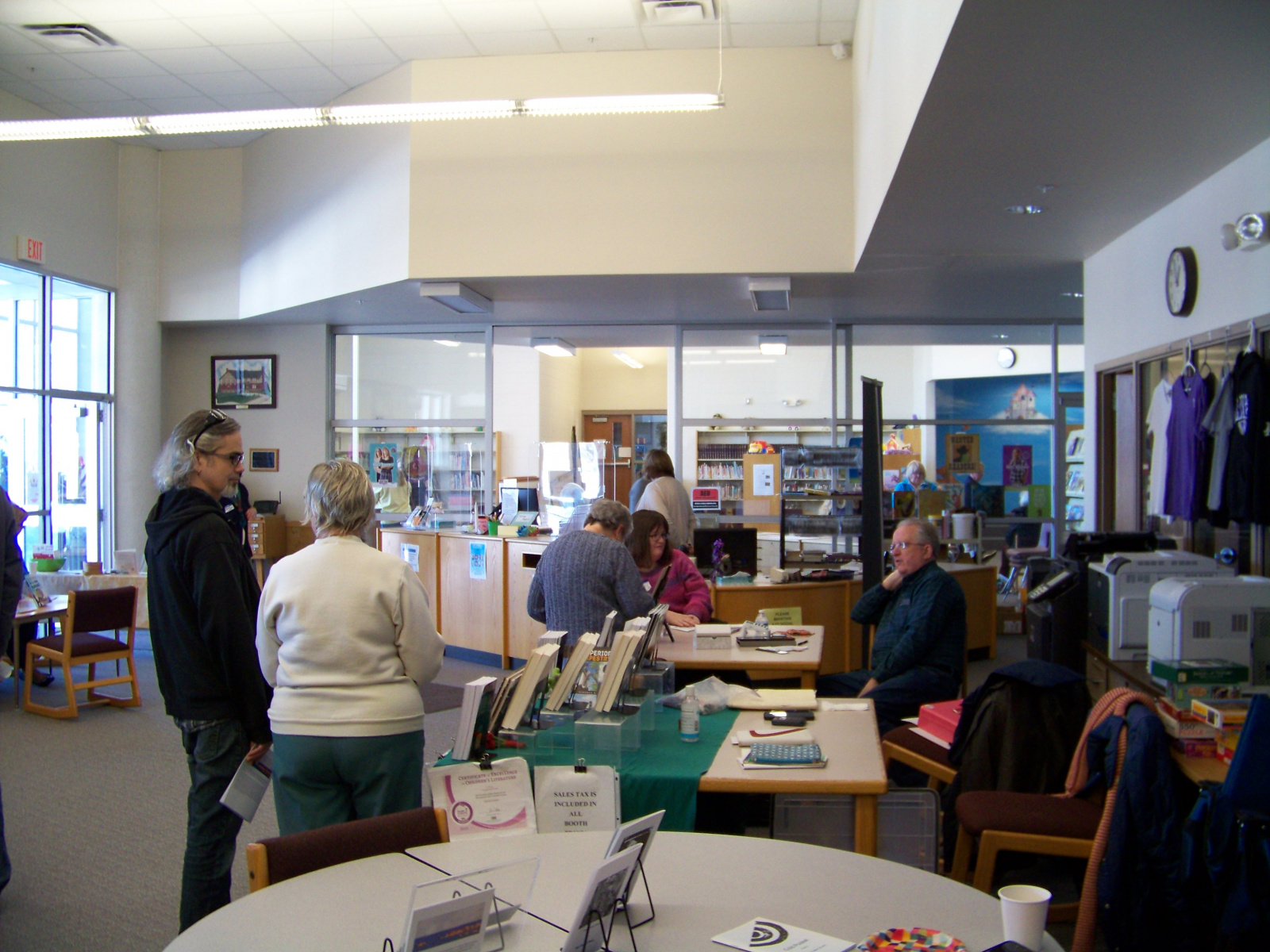
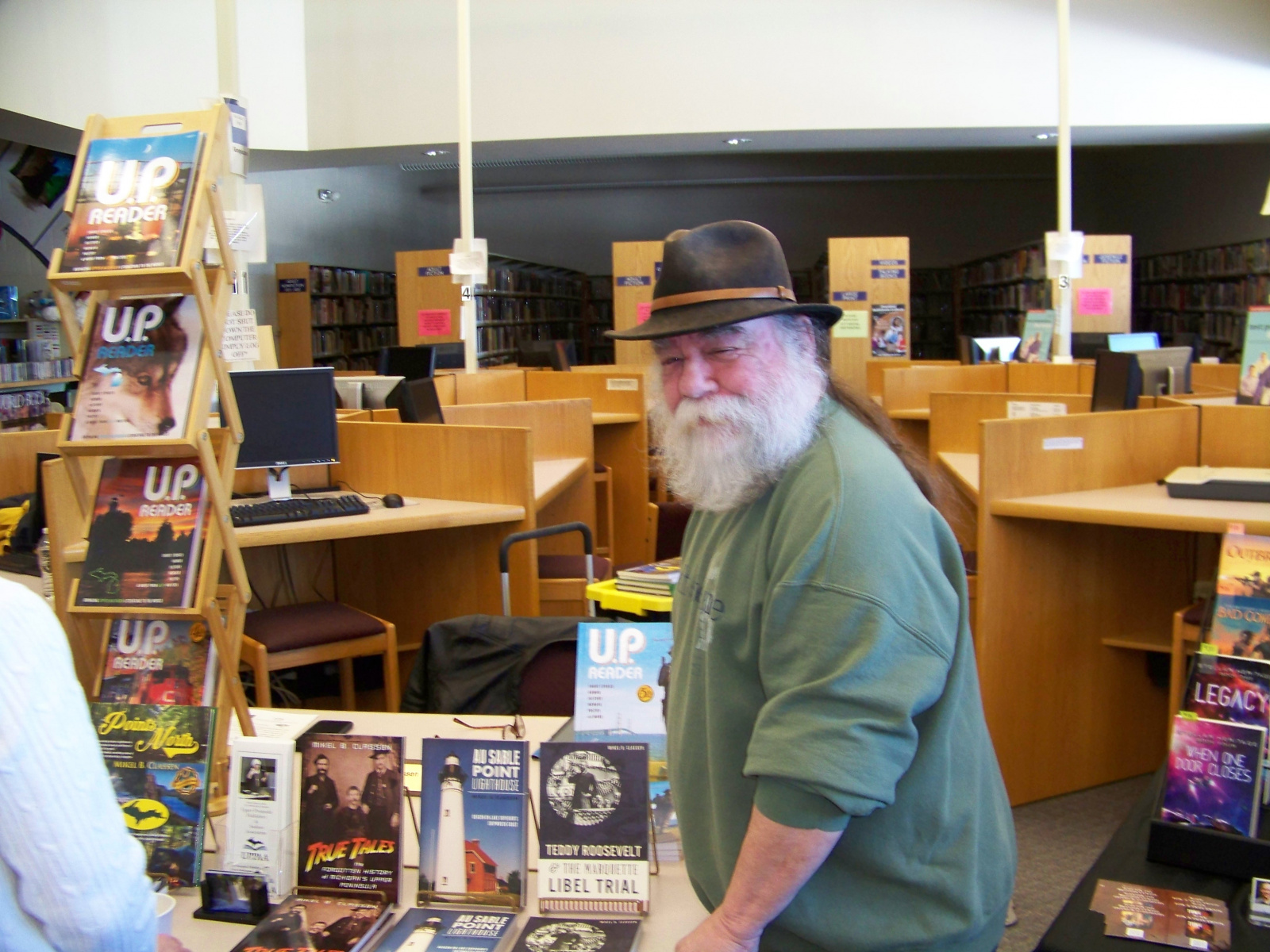
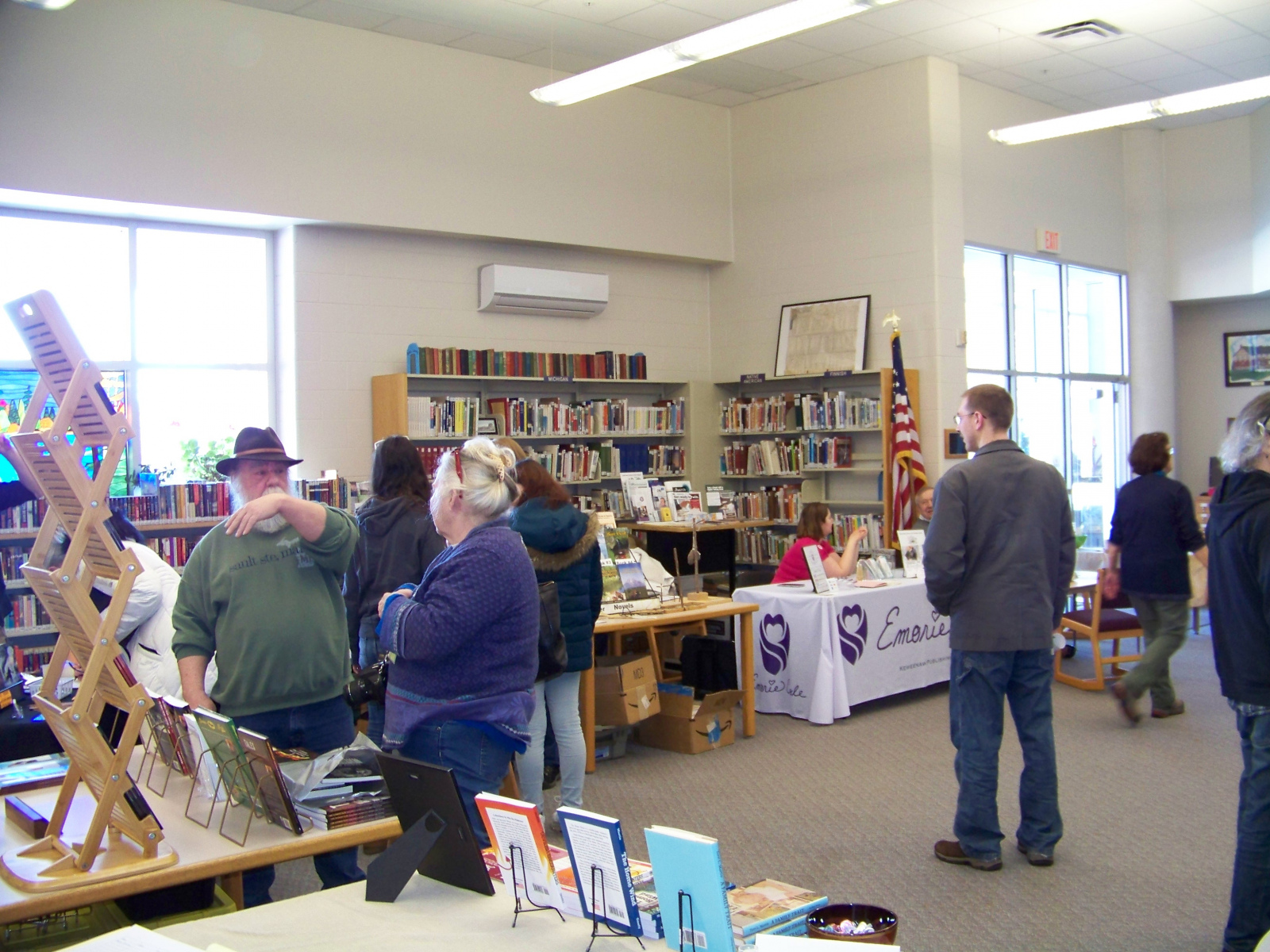
It also matters to have spaces where poems can be shared aloud, where local and regional writers can find each other, and where readers can encounter poetry that speaks from their own landscapes and histories.
What Vigil Ultimately Offers
Vigil is a book of poetry rooted in Upper Michigan and northern Michigan, but its emotional concerns are broad and human. It speaks to grief, family, trauma, endurance, humor, wilderness, memory, addiction, devotion, and the search for home.
It is also a book that trusts small moments:
- a morning dove calling before dawn
- a jar of Lake Superior agates
- snowfall outside a dying brother’s window
- lilacs insisting on bloom
- a flock of starlings swallowing the sky
Those moments are not small because they are insignificant. They are small because that is often how truth arrives. If my poems do their job, they offer companionship. They say you are not the only one who has felt scorched, homesick, wild, undone, or strangely saved by beauty. They say art can help carry what life hands us. They say that even in melancholy, humor and tenderness survive. And maybe most of all, they say that silence is not empty. Sometimes it is where the poem begins.